For this week's blog post, our consummate Development Director, Quincy Ipsaro, went down a detailed rabbit hole to bring us the history of some incredible women who have made Cincinnati what it is today. Enjoy the intriguing read!
In preparation for the opening of our physical gallery space later this year in Cincinnati, Ohio, we have been developing a curriculum focused on several historical aspects of art and social justice in the region.
In celebration of Women’s History Month, we wanted to highlight a few of the MANY incredible women who have shaped Cincinnati over the years that we’ve discovered through our research into Cincinnati’s rich and diverse cultural and artistic history, giving you a taste of what’s to come later this year when we open!
Starting with art, name an institution, group, or school, and women probably founded (or co-founded) it! The Cincinnati Art Museum was founded in (1881) by the Women’s Art Museum Association.
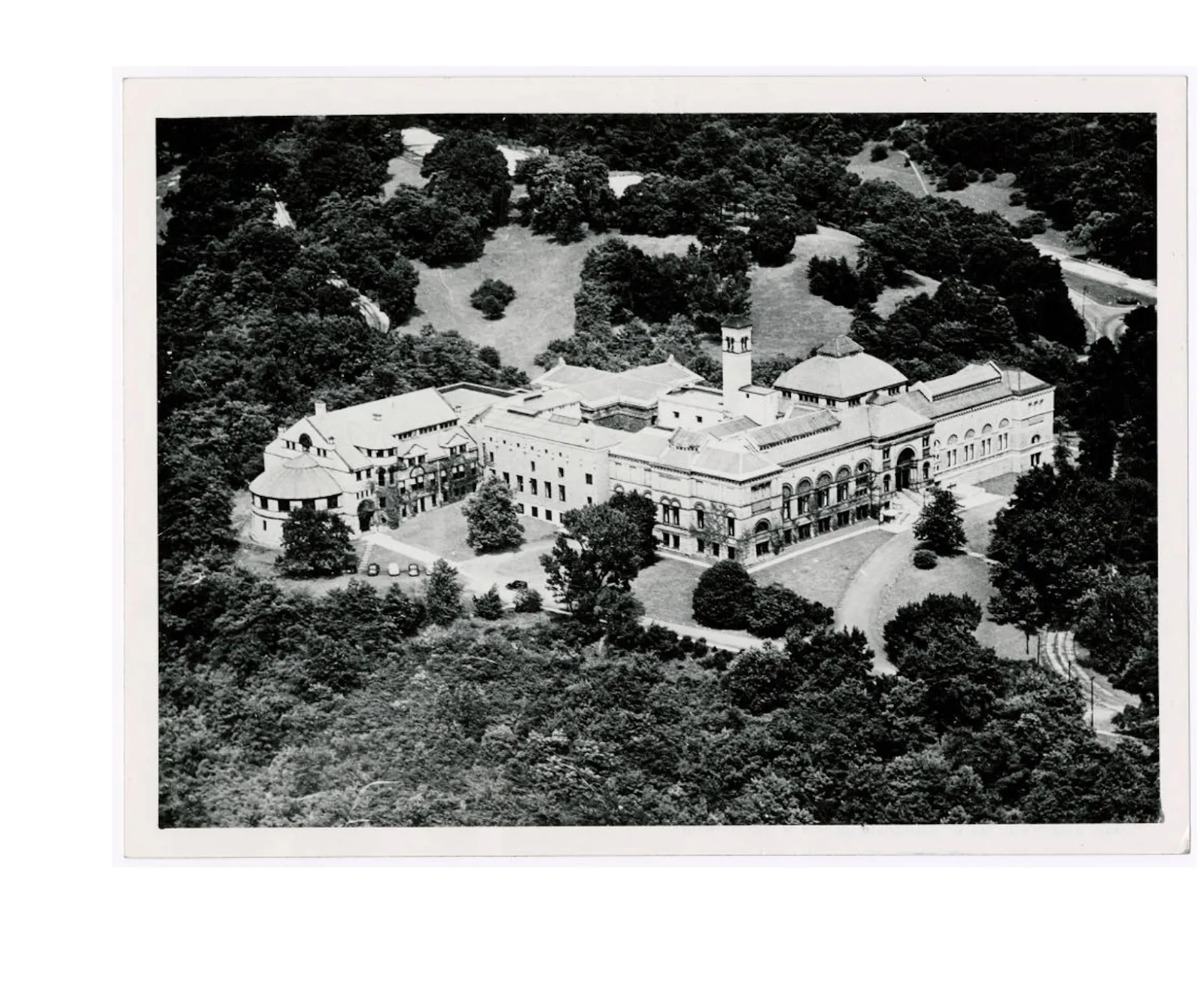
Some might say the Art Museum was founded by Charles West, who gave $150,000 to purchase the land and build the building, but without the women who had the idea to establish an art museum and raise funds for it, the effort would never have come to fruition.
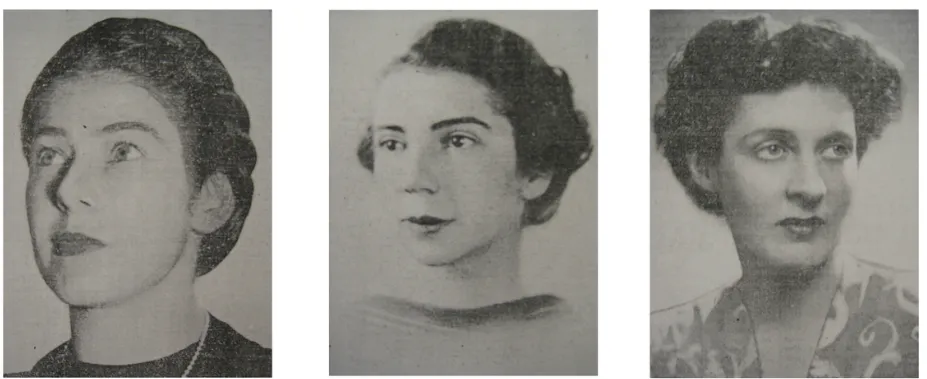
The Contemporary Arts Center (1939) by Betty Pollak Rauh, Peggy Frank Crawford, and Rita Rentschler Cushman.
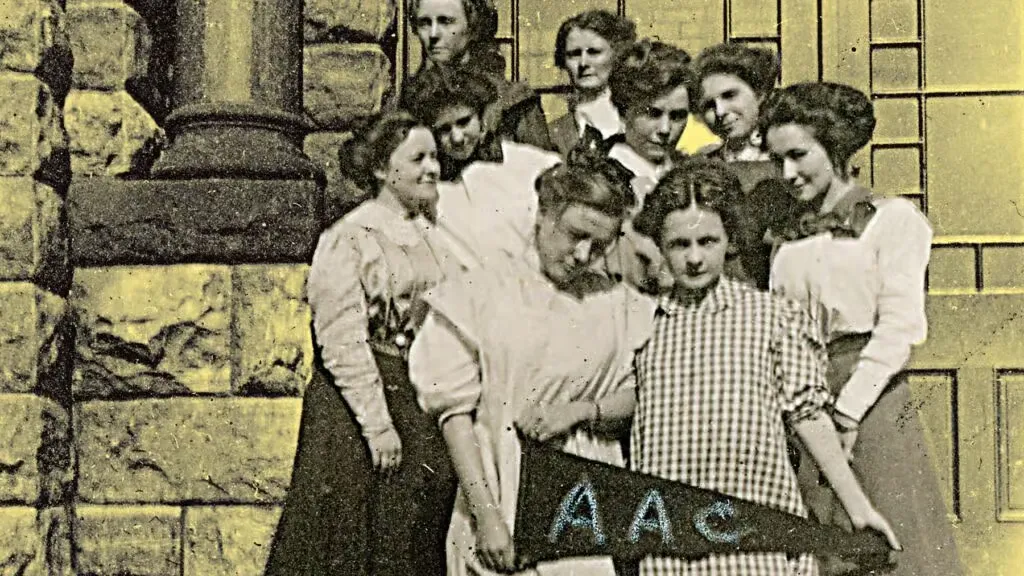
The Woman’s Art Club of Cincinnati, the oldest operating women's art club in the US, was founded in 1892 by nineteen women artists in response to the Cincinnati Art Club's exclusion of women.
The
Art Academy of Cincinnati was founded in 1854 by Sarah Worthington King Peter and 18 other women, and was originally known as the Ladies’ Academy of Fine Arts (LAFA), with the aim of “to aid in the cultivation of public taste,” encouraging artists, and bolstering intellectual enjoyment of the arts.
In 1877, many of the same women immediately formed the Women’s Art Museum Association of Cincinnati (WAMA), again with Elizabeth Perry as president, to advance the cause of the arts in the city.
Another Cincinnati cultural institution in its own right is
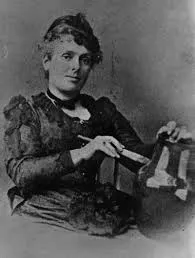
Rookwood Pottery. Founded in 1880 by
Maria Longworth Storer, Rookwood Pottery made history as the first female-founded manufacturing company in the United States. Maria hired mostly women, breaking societal barriers and norms at the time by training them in the ways of business and art and by expanding their opportunities, when they were traditionally limited to teaching or nursing as viable career options, if any at all. It was through the teaching of other women that Maria brought on Laura Anne Fry, who developed the innovative atomized glaze technique in 1889, which helped secure Rookwood Pottery international acclaim and a gold medal at the Paris Exposition.
Then and today, the goal of Rookwood Pottery is to create original designs and to foster individuality. Maria wanted to bring beauty into the homes of everyday people through functional, affordable pottery, and I think she would be proud to know that, even today, 70% of their staff is made up of women.
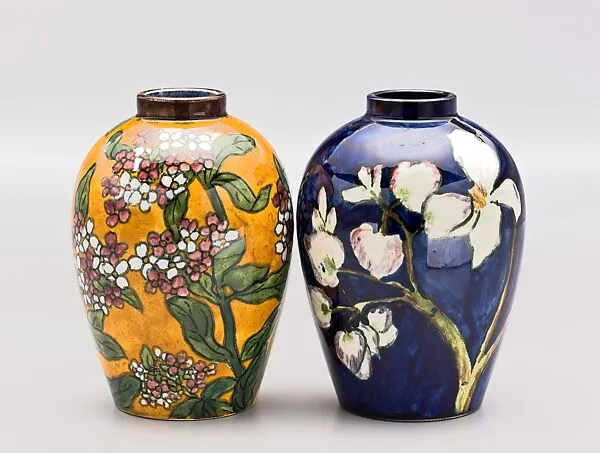
Pottery by Maria Longworth Storer
In addition to the many women who have shaped how art is experienced in Cincinnati, several have also shaped social justice and facilitated change in Cincinnati culture.
Bobbie Sterne became the first female City Council Member in 1971. She viewed her time in office as simply an extension of her service to her community, fighting for women's rights and equality.
Bobbie was elected Cincinnati’s first female mayor in 1975 and served two terms. While in office, she worked to even the playing field between men and women, encouraging the hiring of more female police officers and firefighters, influencing the demise of the Enquirer’s gender-segregated help-wanted listings, and fighting for changes to public health policies.
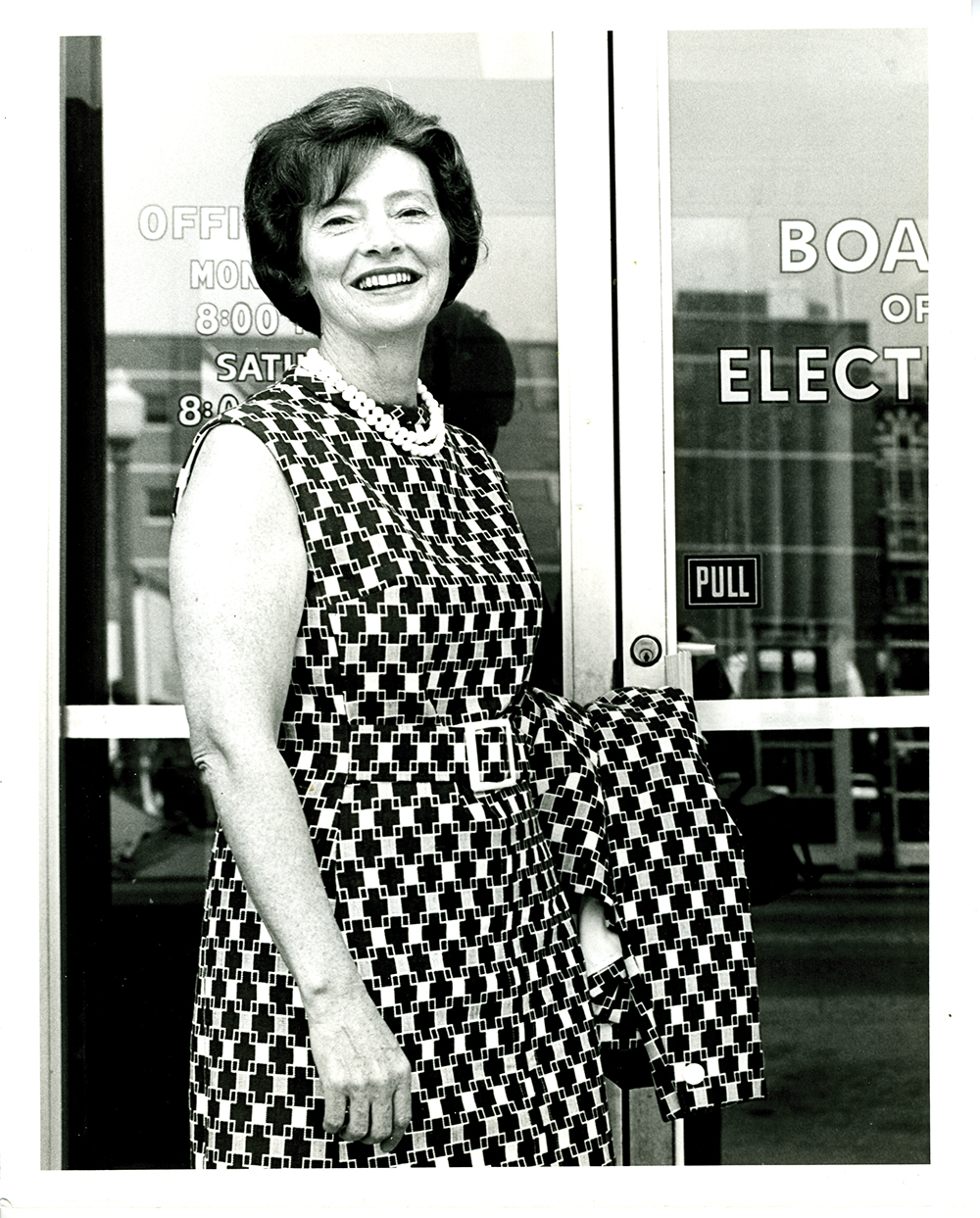
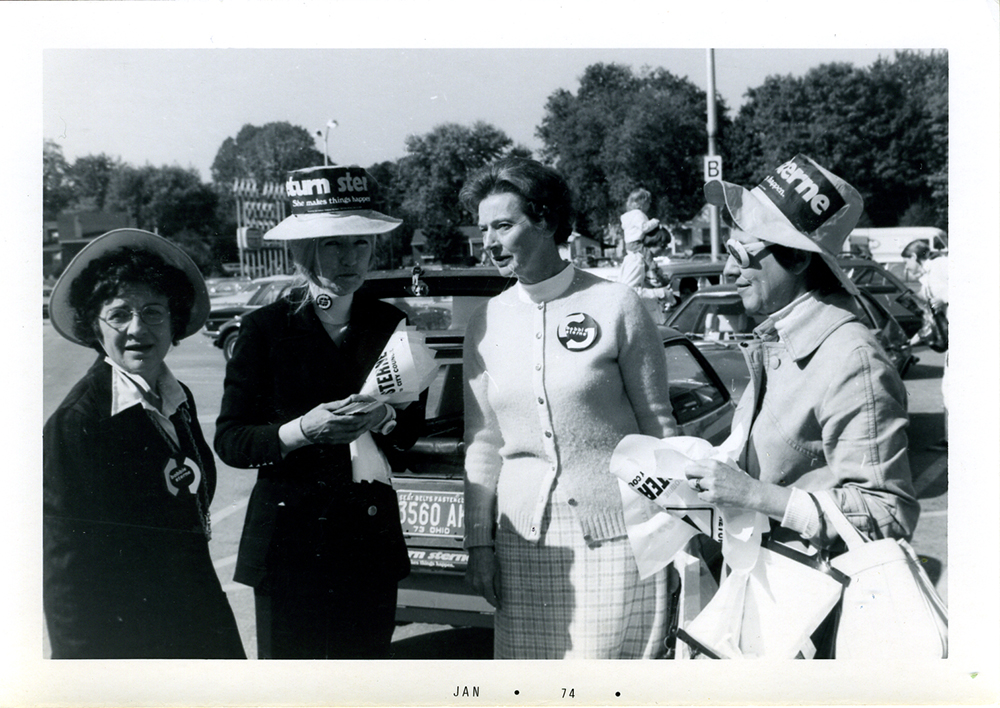
Bobbie was also a fierce advocate for women’s reproductive rights, prenatal care, and LGBTQ+ rights. Bobbie declared June 30, 1979, to be Lesbian-Gay Pride Day in Cincinnati, which evoked strong criticism and fruitless calls for her to rescind the declaration. She took a lot of heat for this declaration and could not understand why it was so controversial. The fact that people were so upset rather than supportive surprised her, but she held her ground, and the proclamation and celebration were held.
Bobbie's work was transformative for women's rights in the region and was followed shortly thereafter by Marian Spencer, who continued to fight for women's rights and desegregation in Cincinnati.
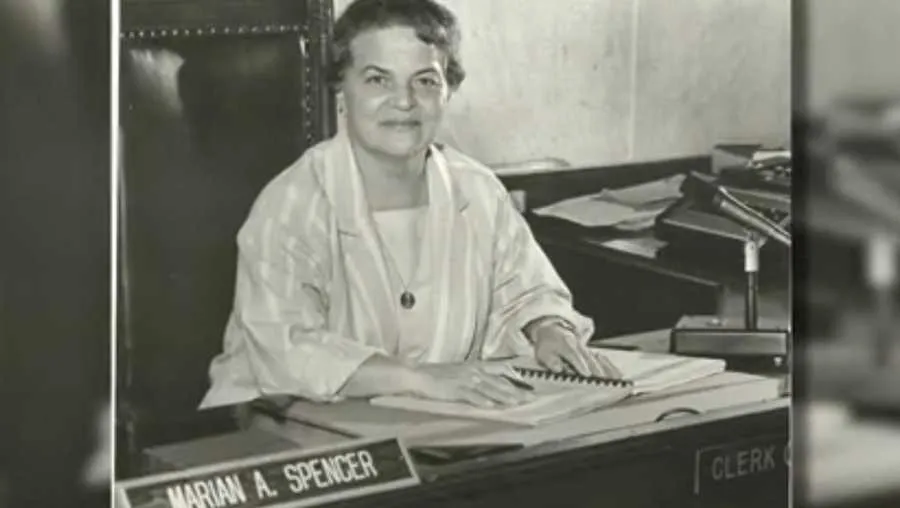
Marian Spencer began fighting for civil rights in 1952, when her children asked to attend an event at Coney Island Amusement Park after hearing an ad for it. After calling the park, she was informed that the event was not open to black children. This did not deter Marian, so she went with her children to Coney Island and, after being turned away by an armed guard, filed a lawsuit against the park with the help of the NAACP. Spencer led a biracial team of 28 witnesses to victory in the case and desegregated the park.
Marian later served as chair of the Education Committee of the Cincinnati NAACP for over 20 years. She later served as NAACP Chapter President from 1980 to 1982, becoming the first woman to hold the position. In 1983, Marian was the first African American woman to serve on the Cincinnati City Council and later served as Vice Mayor. For her groundbreaking works in civil rights, City Council, and desegregation in Cincinnati, Marian earned several honors, such as being named the Enquirer’s “Woman of the Year” in 1972, “Great Living Cincinnatian” in 1998, and even had a street named after her in downtown Cincinnati.

In addition to the women throughout history who have shaped Cincinnati art and culture, several women are breaking barriers today by combining these efforts through their artistic works, illustrating how art can be used to challenge gender inequality, raise awareness of women’s and cultural experiences, and advocate for equal rights.
Elizabeth Catlett is an African American and Mexican American artist who bridged cultures to fight for equality for all races and women. While not from Cincinnati, Elizabeth has had her works highlighted at many cultural institutions across the city, and her works have played a large role in regional and national arts campaigns celebrating diversity.
The
Clifton Cultural Arts Center highlighted Elizabeth’s work through her “Lift Every Voice” Campaign, where regional artists reinterpreted her iconic prints, highlighting her themes of Black resilience, labor, and dignity, bridging her Mexican/African American experience with Cincinnati's community and extending her message of liberation through contemporary fiber art, a testament to her enduring influence.
In 2025, the Clifton Cultural Arts Center partnered with local artists to turn Elizabeth’s
I Am the Black Woman series into fiber art, honoring her vision. The CCAC featured 14 regional artists reinterpreting Catlett's work, using hand-hooked rugs to convey her themes of resilience and dignity, translating her graphic style into fiber and extending her message to new audiences.
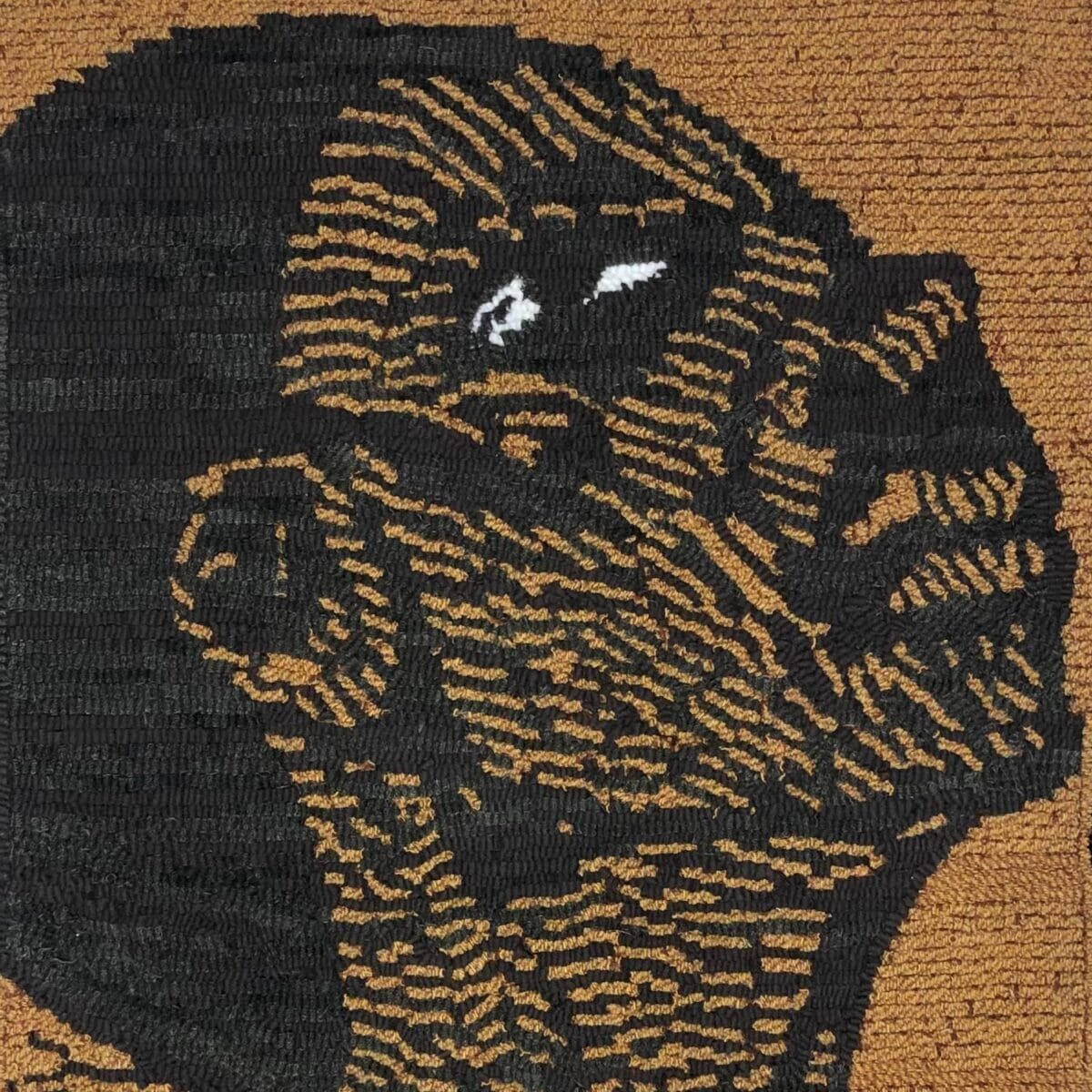
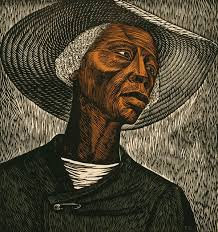
Bukang Y. Kim is another modern Cincinnati female artist merging cultural experiences into a distinct artistic style. Bukang Yu Kim, a Korean-American artist who is based in Cincinnati. Her most recent exhibit at the Cincinnati Art Museum is titled “Journey,” and includes twelve pieces that represent her life as an artist.
She combines the Zen and landscape artistic styles of Korean culture with the abstract style of Western cultures, creating a style all her own and breaking down boundaries by mixing mediums. The paintings are expressive, dreamlike pieces on massive canvases. Her work ties the qualities of Asian calligraphy and brushwork to the emotive and dramatic feeling of American Expressionism. As a female immigrant artist, Bukang Y. Kim reflects social justice themes by expressing cultural identity and the experiences of women navigating different cultures through her art.
The work of female artists and advocates in Cincinnati reminds us that art can be a powerful tool for social justice. By sharing women’s stories and experiences, these artists not only honor the past but also inspire future generations to continue advocating for equality and change.