
Molding Motherhood, Freud, & Female Friendship
By Cara Erdheim Kilgallen
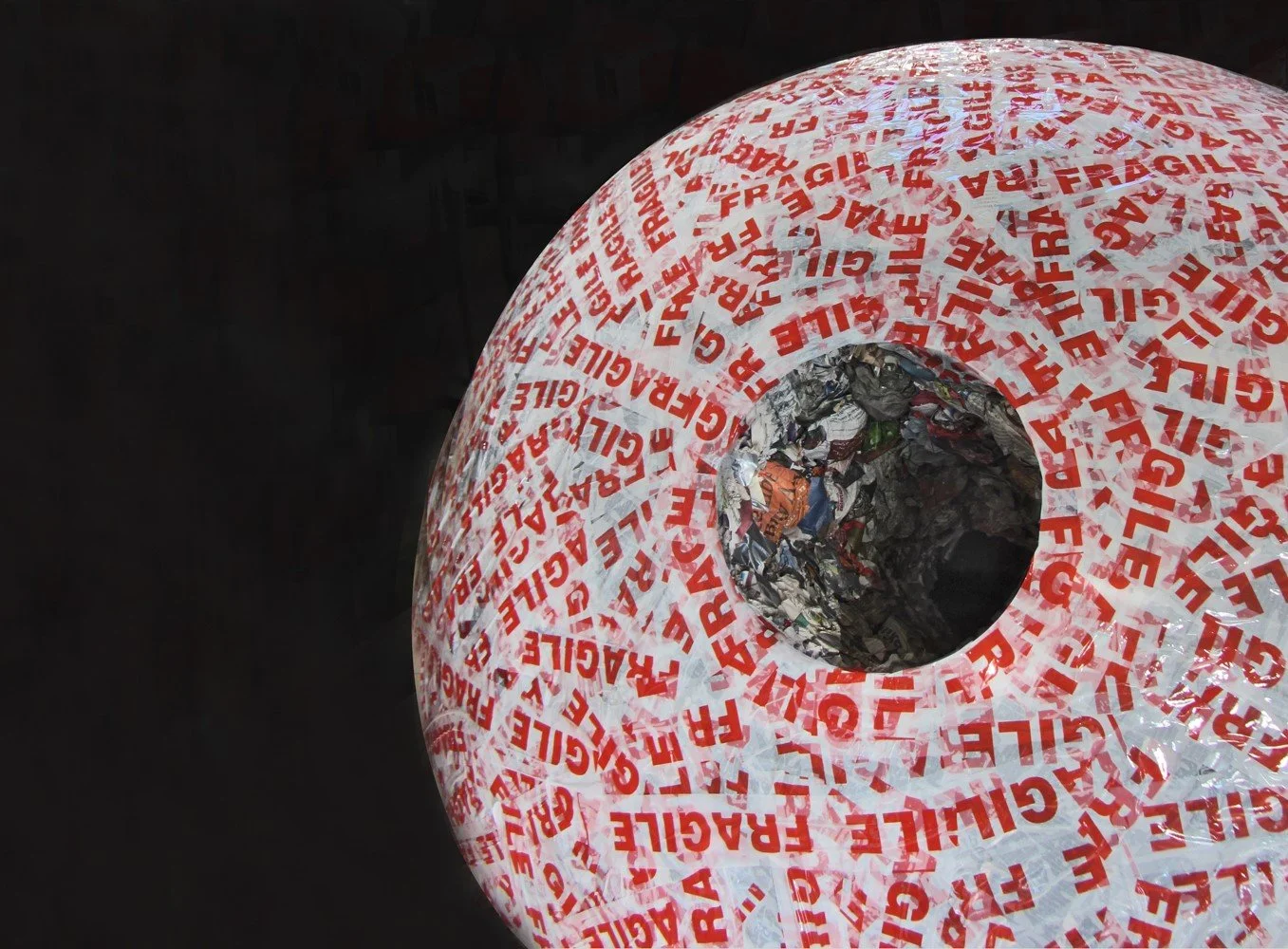
Mother Mold, Jane McAdam Freud
Jane McAdam Freud asked for my opinion on motherhood before I became a biological mom. We were sitting at Via Quadronno, a quaint cafe on New York City’s Upper East Side, and I tried desperately not to stare too openly at the face across from me: Sigmund Freud’s great-granddaughter, a London artist, a woman my own mother had somehow brought into my life. I was forty, a stepmother, and not yet pregnant. I knew enough to answer carefully, but Jane had a way of making carefulness feel like the least interesting option.
As the daughter of a psychoanalyst, I grew up hearing about Freud night and day; however, never did I imagine that I would form a bond with one of his most distinguished descendants, and a feminist at that!
Jane and I met ten years earlier through my own mother, who had attended a psychoanalytic conference and spotted her in the crowd. Mom knew all about Lucien, her famous father, the painter, but she didn’t know much about his daughter. Yet, somehow Jane stood out, and they connected after a panel’s endless question-and-answer session.
Although she hailed from a famous family and had some serious lineage, Jane had no airs about her; my mother realized this total lack of pretension at the conference, and I recognized it right away when we met months later.
That afternoon at the cafe, Jane’s inquisitive interest in everything but herself was on full display. Even though I wanted to gush over her artwork and delight in her British charm, which I did anyway, Jane made me feel special by seeking my perspective on mothering.
“What do you think about motherhood?” she inquires with authentic interest.
“There are so many ways to mother,” I reply, fully aware that we share the role of stepmom to two boys each while also taking tremendous pride in our own artistic creations.
“You’re so right, Cara,” she says as I swoon over her English accent. She continues, “motherhood and creativity are really about collaboration and community, right?”
“Yes,” I respond enthusiastically, in part because I adore her alliteration. “Maybe we could collaborate on a project someday,” I suggest sheepishly.
“Definitely, let’s think about this possibility,” Jane answers with her great generosity of spirit. “Your writing and my art,” she continues, and I cannot believe that we are having this conversation, as though my pieces would ever belong in the same space as the art of this legend.
Several years before our connection at the cafe, Jane completed a series of sculptures called Mother Mold, which debuted at the Gazelli Art House in London. The solo exhibit explores the “mother as the source, alternatively as the artist’s previous exploration of the role of the father” (Mother’s Mold).
This descendant of famous Freudian men was flipping the narrative in every way and looking to the primary role of women in creation. It was brilliant! At the same time that she honored her father and great-grandfather, Jane had the highest esteem for her own single mother, Catherine McAdam, who empowered her daughter to “paddle her own canoe.”
Jane found fame under her mother’s name, and then, at age 31, she reconnected with her biological father, Lucien. The two spent hours together before his death in 2012, as Jane created sculptures of him to “keep [her father] alive” (Freud.org.uk). She did the same with her great-grandfather, Sigmund.
My own mother marveled at Jane’s ability to respect the ideas of Psychoanalysis, despite their at times unpopularity, while also critiquing their flaws. Freud is foundational, of course, although mentioning his name in certain circles can be risky. Yet, Jane showed it is possible to accept some theories of the unconscious, say, without resorting to total patriarchy. As an English professor raised by a psychoanalyst, I admired this ability to acknowledge Sigmund’s significance while accepting his foibles.
One of our final conversations took place after I became pregnant with my daughter in 2021, following multiple rounds of IVF during Covid. On a particularly tough day during one of my anxious flare-ups, I reached for my phone and wrote Jane a message through WhatsApp. She responded immediately, almost sensing my anxiety, anticipating biological motherhood.
“What is it really like to be pregnant?” Jane asked thoughtfully even though she was quite ill at the time. She wanted to know it all.
“I wouldn’t recommend it!” I answered and proceeded to share all the pitfalls of pregnancy. We laughed through a series of emojis about my medically termed “geriatric pregnancy.”
My daughter, Jenna, was born one year before Jane passed away. And I’m proud to say that my now fierce and feisty five-year-old clearly shares Jane’s independent spirit.
My perspective on parenting transformed after I delivered my daughter. As the daughter of a psychoanalyst, I thought I understood everything about inheritance and influence. But Jane McAdam Freud taught me another kind of mothering.
